
Wolf Warrior/Wolf Warrior 2
And Being Arrested For Not Showing An ID

When I was imprisoned, I wanted to make a note of Hollywood box office results. I wasn’t a part of society, but I wanted to know what they were seeing, what they were enjoying. Perhaps it would give me a clue as to what was happening in the world. I was startled to see the box office results of 2017. Sandwiched in between “Spider-Man: Homecoming” and “Guardians Of The Galaxy Vol. 2” was “Wolf Warrior II”, which grossed a stunning $870 million, much of it overseas. This is a lot more common now, but it was unheard-of back then. What was this movie, I wondered. And did it involve a warrior who could become a wolf? Or was it a man who fought a war against wolves? Maybe the warriors rode on wolves?
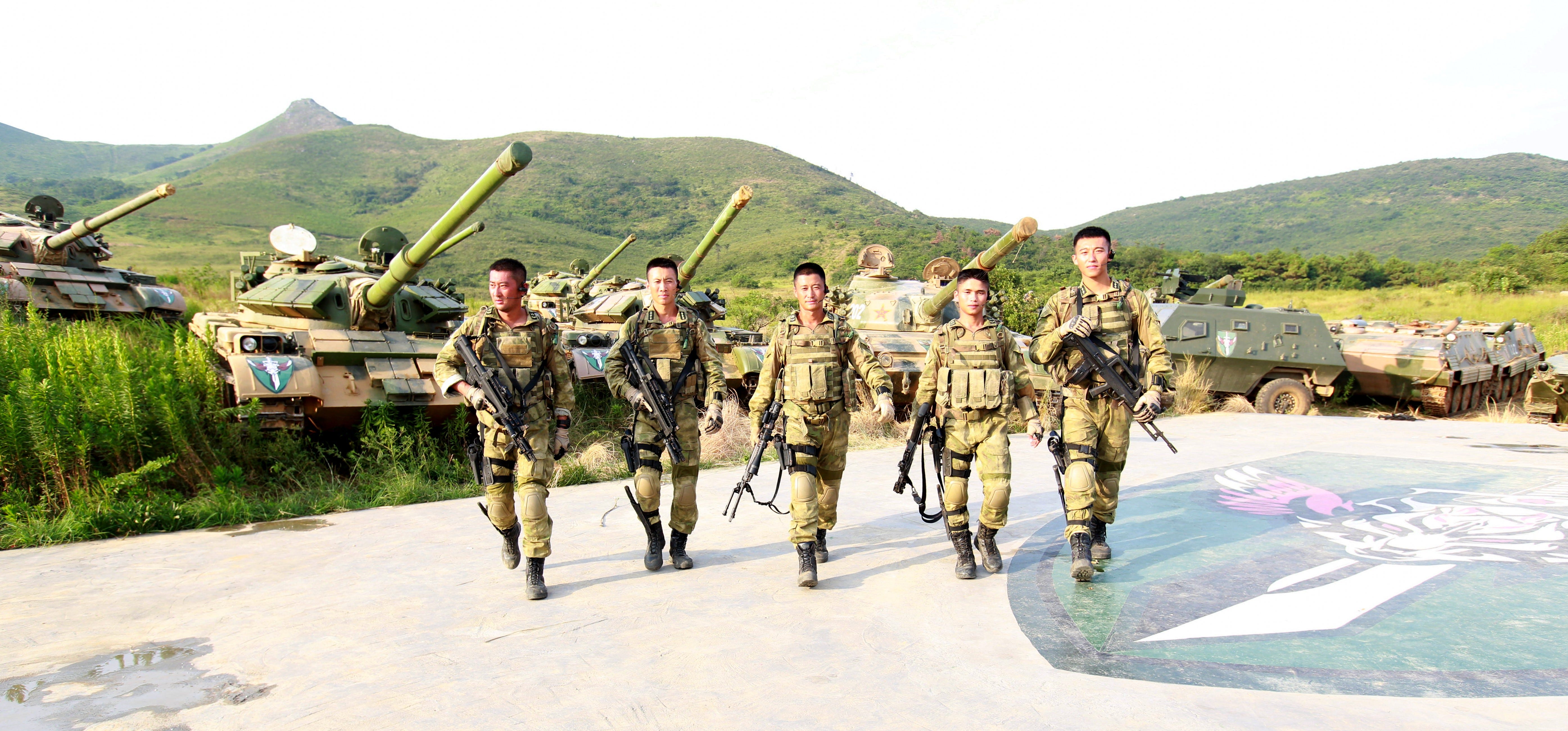
Sadly, it’s none of those. Both “Wolf Warrior” (2015) and its followup are high-octane, big budget blockbusters designed to both suit Chinese audiences and play to international crowds. Like the American movies I’m discussing this week, this feels like an effort to engage with the national military – China’s, specifically – in a way that boosts and celebrates their local government. Which is curious, considering this is basically a re-skinned “Rambo” variant. The Rambo in this case is Wu Jing, a major martial arts star of the East who has been the lead in several blockbusters, particularly “The Wandering Earth”. And it’s his Leng Feng that has already proven to have the right ‘tude for a certain paramilitary group.
There’s a rousing action intro for “Wolf Warrior”, one that establishes Feng as a Renegade™ who Doesn’t Play By The Rules©. Though he’s clearly skilled at whuppin’ ass, he’s punished for taking out a drug lord, sending him to the clink. Fortunately, his adeptness with firearms and fists has attracted the attention of the Wolf Warriors, who are meant to test and evaluate the Chinese military in a series of Just How Bad Is He trials. It certainly beats imprisonment. One such training mission involves heading out to the southern border, in Chinese jungles, and awaiting further instruction. So far, so “Rambo: First Blood Part II”.
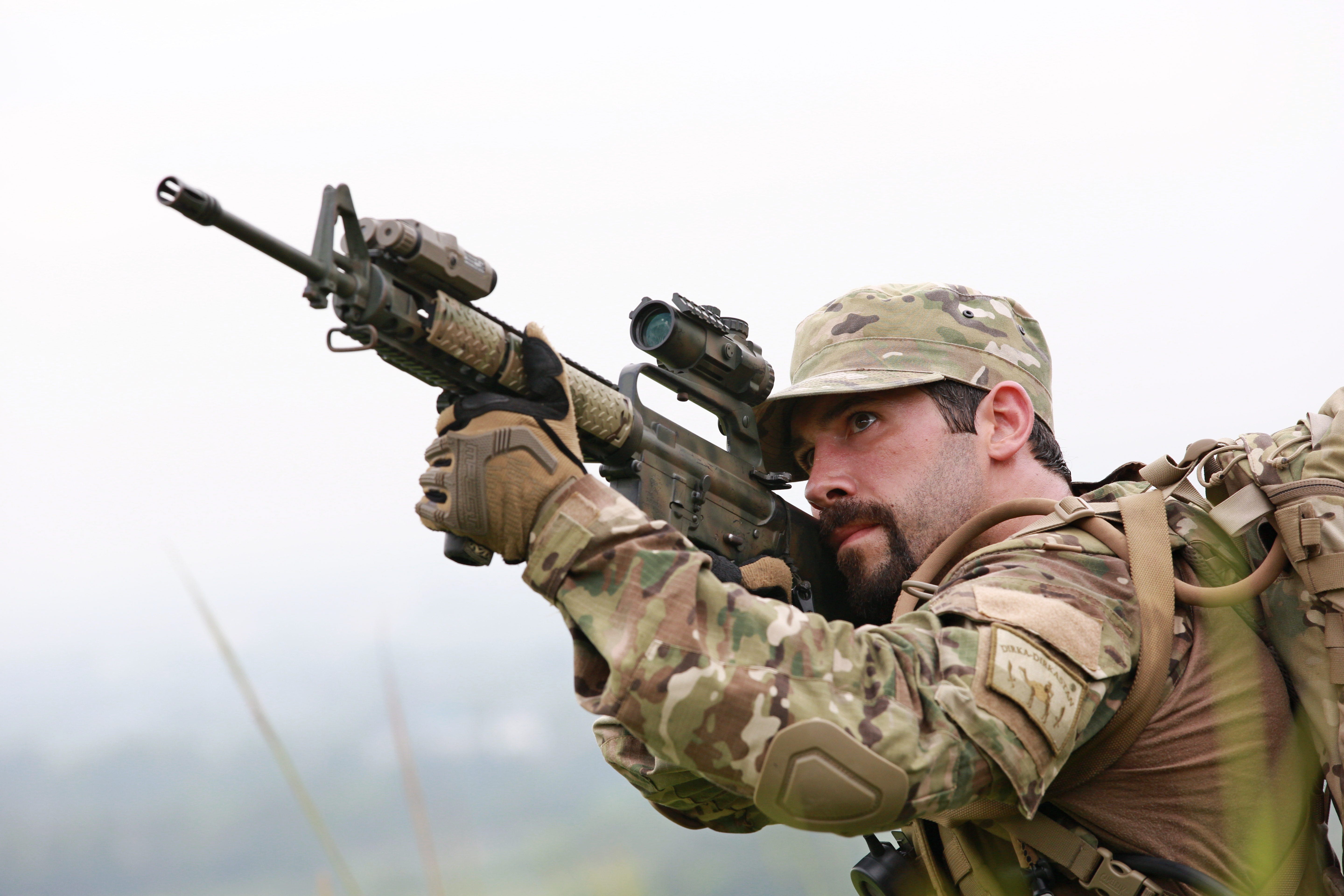
But this is an action movie, and bad guys hold grudges. The drug lord that Feng killed has a brother, and that brother seeks revenge. He decided to recruit an exiled American soldier for hire, Tom Cat (!), played by legendary martial artist Scott Adkins (!!). Because when you’re making a heavily-nationalistic Chinese action movie and you need an American villain, you want the baddest British ass-kicker on the planet. Adkins is seen here almost immediately mowing down innocents in the Philippines, so you know there is no doubt as to how he butters his toast. Tom Cat (!) finds out where the Wolf Warriors are located, and his squad picks one off. Now it’s going to be a life for a life, one at a time. Feng is a mess here, bringing his baggage to his new job, jeopardizing his coworkers. Not a great impression you’re making on the other Wolf Warriors, my guy.
The rest of this film, running at a crisp ninety minutes, is all about violent jungle warfare, Feng taking one mercenary at a time down, by knife, by punch, by thigh. Obviously, China has a long legacy of wild and innovative action films. But the bloody, violent nature of this one is the sharpest reminder yet that this is taking cues from American 80’s movies, with larger-than-life heroes dealing out righteous, Biblical violence to those that might threaten Chinese soldiers. Much of the film is building towards Feng facing Tom Cat (!), and Wu Jing versus Adkins doesn’t necessarily disappoint, but it feels as if there are personal stakes missing from these fisticuffs. This is a satisfying action film weighed down by needless, pandering jingoism (Tom Cat’s (!) beef with Feng feels like beef with an entire country). But if you remove that militaristic angle, it doesn’t necessarily stand out from other Chinese action pictures.
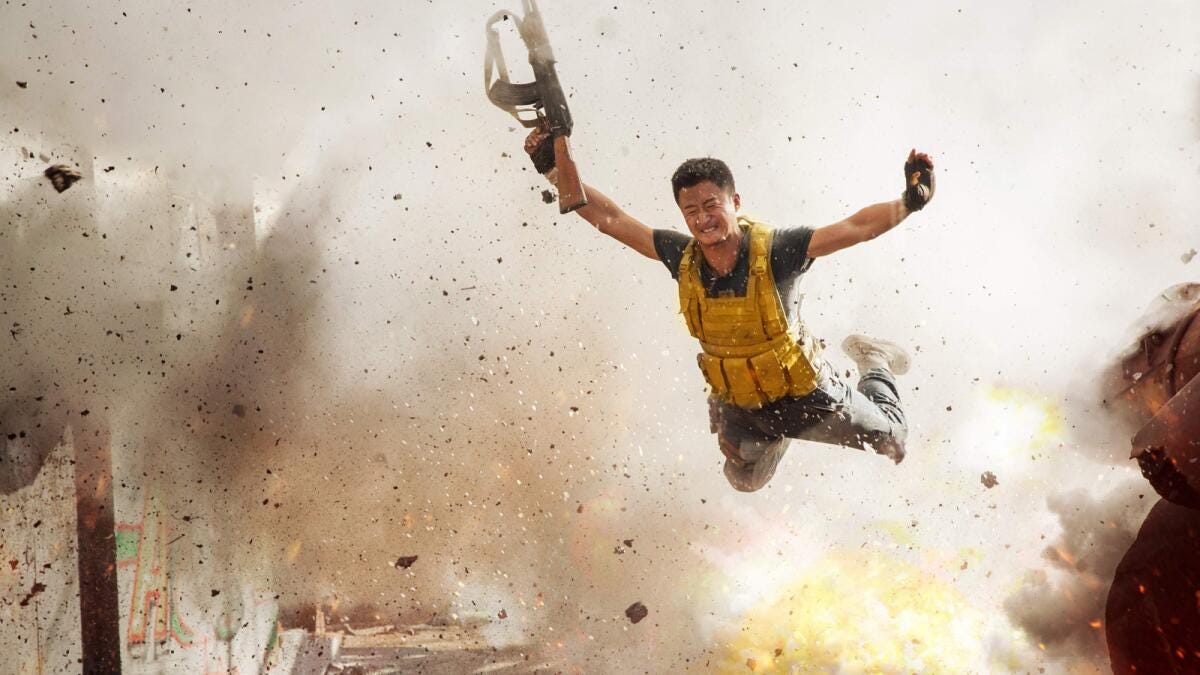
“Wolf Warrior II” is decidedly beefed up, very much in the style of the “Rambo” sequels determined to outdo the last one. Now, Feng and his fellow Wolf Warriors are chastised by locals in an intense show of disrespect, in a manner not unlike the opening of “First Blood”. Feng (and, probably, the viewer) knows that after his heroism in part one, he doesn’t deserve to be spat on, called out like he’s a puppet to the regime. This results in an unavoidable brawl, and Feng killing a man in a moment of self-defense. Yep, back to prison for this guy! This time around, he’s only a Wolf Warrior in spirit – the guys want nothing to do with him.
“Wolf Warrior II” is a full half hour longer than part one, and the decision seems to have been made to fill that half hour with relentless action. While the movie wants to deepen Feng as an interesting character (he’s not!), it’s almost parodic how everything he touches eventually explodes. In the movie’s opening bout of violence, Feng dispenses of Somalian pirates while at sea on a boat to Africa, providing for some aquatic maneuvers that are not only exciting, but captured with some ambitious camera choreography dipping in and out of the sea. In Africa, there’s the suggestion of backstory when he meets a young child hustling with bootleg DVD’s on the streets. Given he was in prison for a couple of years, I’ve no idea when he would have met this child, but it doesn’t really matter. Someone needs to be kidnapped for the proper dramatic stakes!
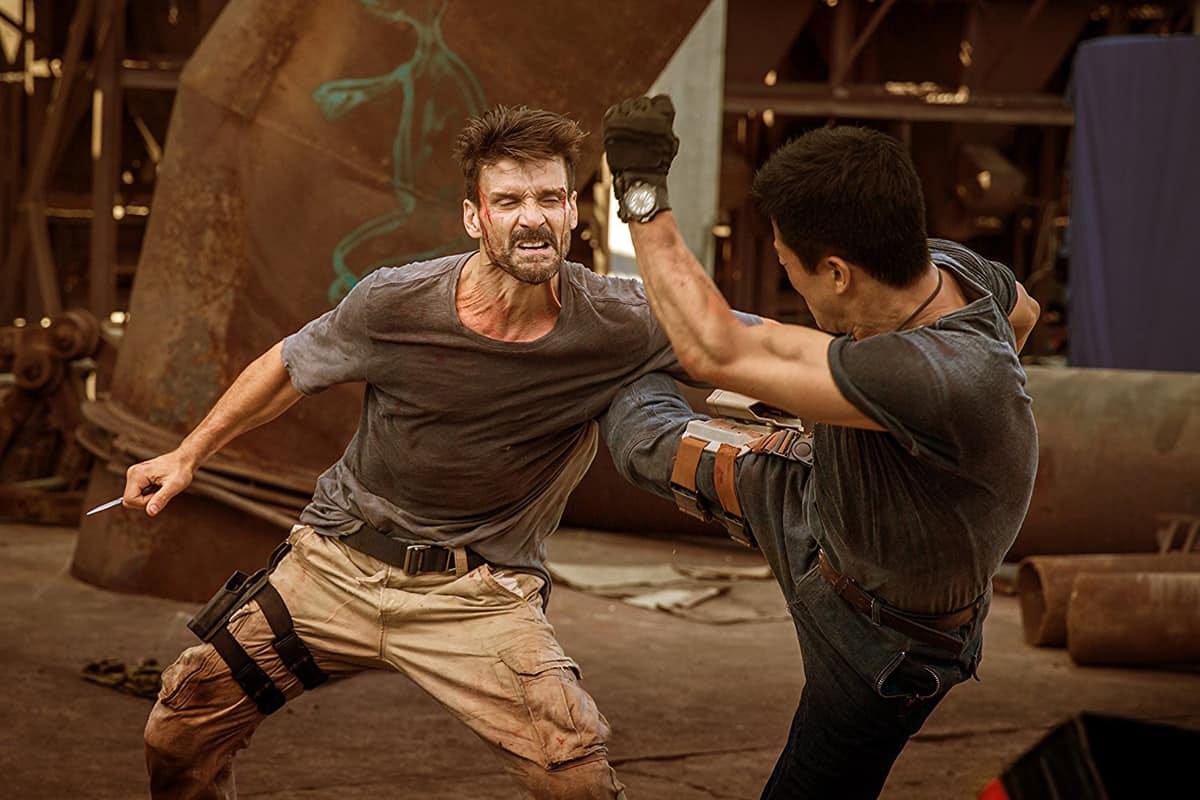
Turns out this region of Africa is under siege, they’re on deadly ground because a few rebels think they’re above the law. Feng ends up protecting both a scientist and a factory from these African clans (depicted as indelicately as you’d expect from a Chinese action film). The Chinese government show up to help but, in another “Rambo” touch, they’re limited to protecting Chinese nationals and none of the innocent Africans. When Feng stands up, it’s against another American mercenary. This one is Big Daddy. Appropriately, he’s played by hard-as-nails Frank Grillo. Adkins in part one feels as if he’s giving a movie star performance as a hissable villain – he’s having a lot of fun and it’s contagious. But Big Daddy feels genuinely pissed that he’s got to do this job, he hates being in Africa, and, to put it lightly, he thinks this Feng guy is a real piece of work.
This is propaganda, obviously. While the movie takes place in Africa and features African characters in peril, it feels like the movie is structured to keep reminding people that the Chinese characters also in Africa are equally in danger – characters that are given more development than any of the Africans. I’m pretty sure a lot of people from China don’t care for a lot of people in Africa, so I don’t love that there’s a movie underlining this. But I’m watching this from America, a movie that hardly has Africa on its mind, and a country that’s being run into the ground by a President who would consider African countries to be, in his word “s**thole countries.” As an American, I’m not gonna tell you that Africa is always on my mind either, not nearly as much as it should be. So it hardly does me any good to be mad about the popular Chinese movie about kicking and punching because it treats African characters like props. There are bigger problems regarding the perception of Africans than the “patriotic” dolts making government-pandering creative decisions for an action sequel. It’s racism, and I’m telling you about it.
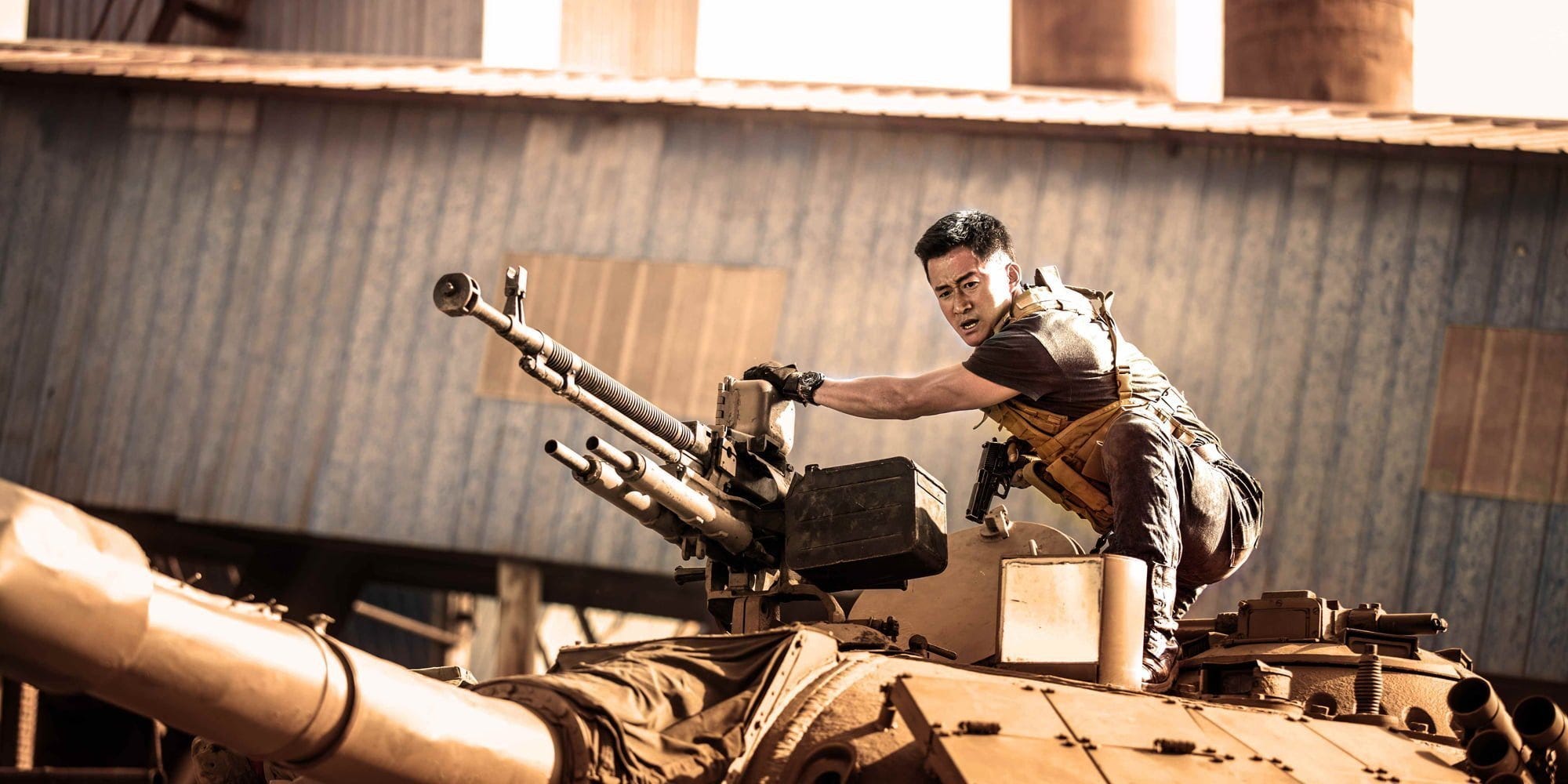
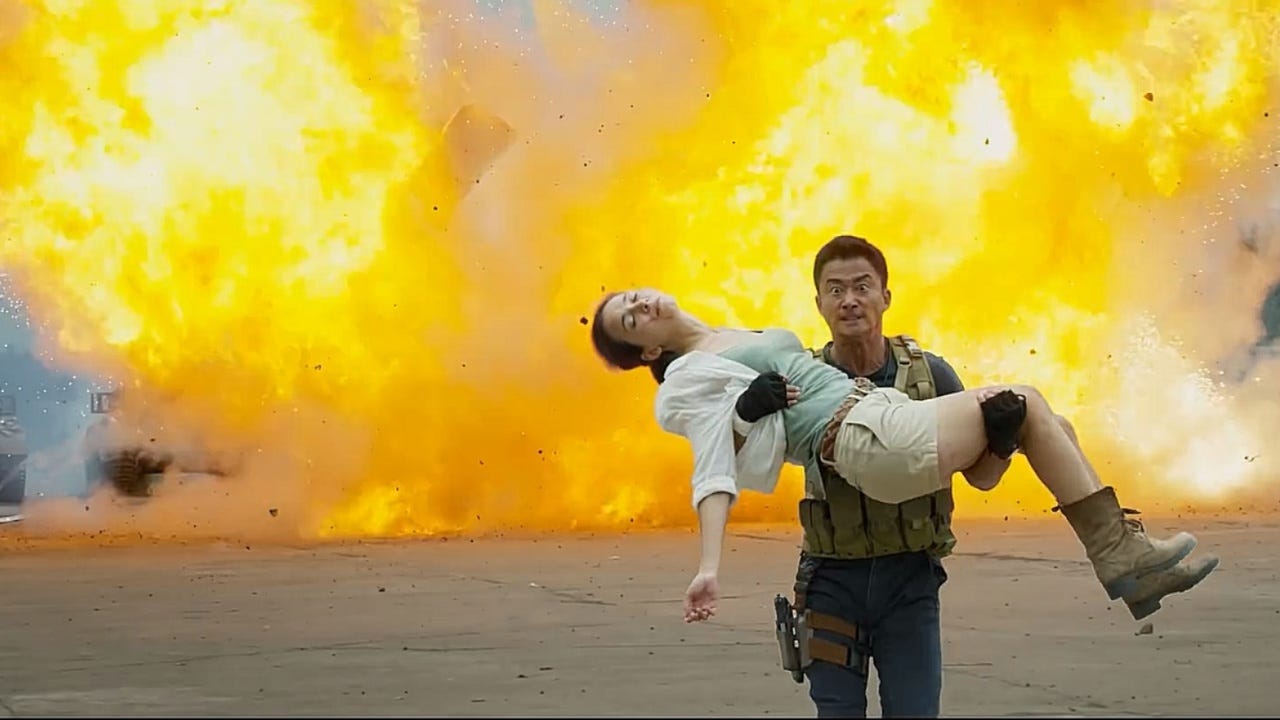
This is an all-terrain action picture, and in its last half hour, all sense goes out the window in a series of chases and brawls. Wu Jing, also the director on both “Wolf Warrior” films, manages to cover up his decidedly-limited charisma with as much action as possible, pushing Feng to his breaking point. And while there are fights going on everywhere here, there are far more vehicles introduced, most memorably a full-octane tank chase that’s the sort of thing that shouldn’t work if you’re really obeying the law of physics– and yet it works, and it’s not too ridiculous. This is the 4 PM buffet of action movies – everything is there, none of it too filling, all of it on the right side of sufficient. There’s a post-credits sequence as well, further establishing just how expansive this world really is, though the world is still waiting for “Wolf Warrior III”.
In Alabama, the Supreme Court just made a curious decision. Apparently, no matter who you are, no matter where you are, a law enforcement official can demand to see your identification. And if you don’t comply, guess what? Hope you like jewelry, because you’re getting cuffed. This absurd ruling comes out of an Alabama Supreme Court session that validated an officer’s verbal request for identification as a legal mandate. It’s incredible we’ve gotten to this point. Now, a police officer can ask anyone for identification for ANY reason, and if no ID is requested, you will be placed under arrest. “Stop-and-identify” laws these are called, and in no way will they ever be manipulated, no sir, not possible.
This case arises from what seems like a very basic situation. In Childersburg, Alabama, 911 was called on a supposedly-unfamiliar man who was on someone’s property, watering their flowers. When asked by the police, the man revealed that he was Michael Jennings, otherwise known as Pastor Jennings – an actual pastor. Jennings claimed he was looking after the home while the residents were on vacation, stopping by to tend to the plants. When the pastor was asked for ID, he emphasized that he was not violating a law, and would not produce identification. And so the cops arrested the pastor, after someone called the police on the pastor. Now, I ask of you, dear reader – what color was the pastor’s skin? The color of the skin of a man who was reported to 911 because he was watering plants, a pastor watering plants, a pastor who needed to be arrested by police officers despite committing no crime? I repeat, what was the color of the skin of a pastor in Alabama who was arrested for watering plants? Your first guess just might be right. I wonder why.